
Why Homeowners Are Rethinking Louvre Roofs
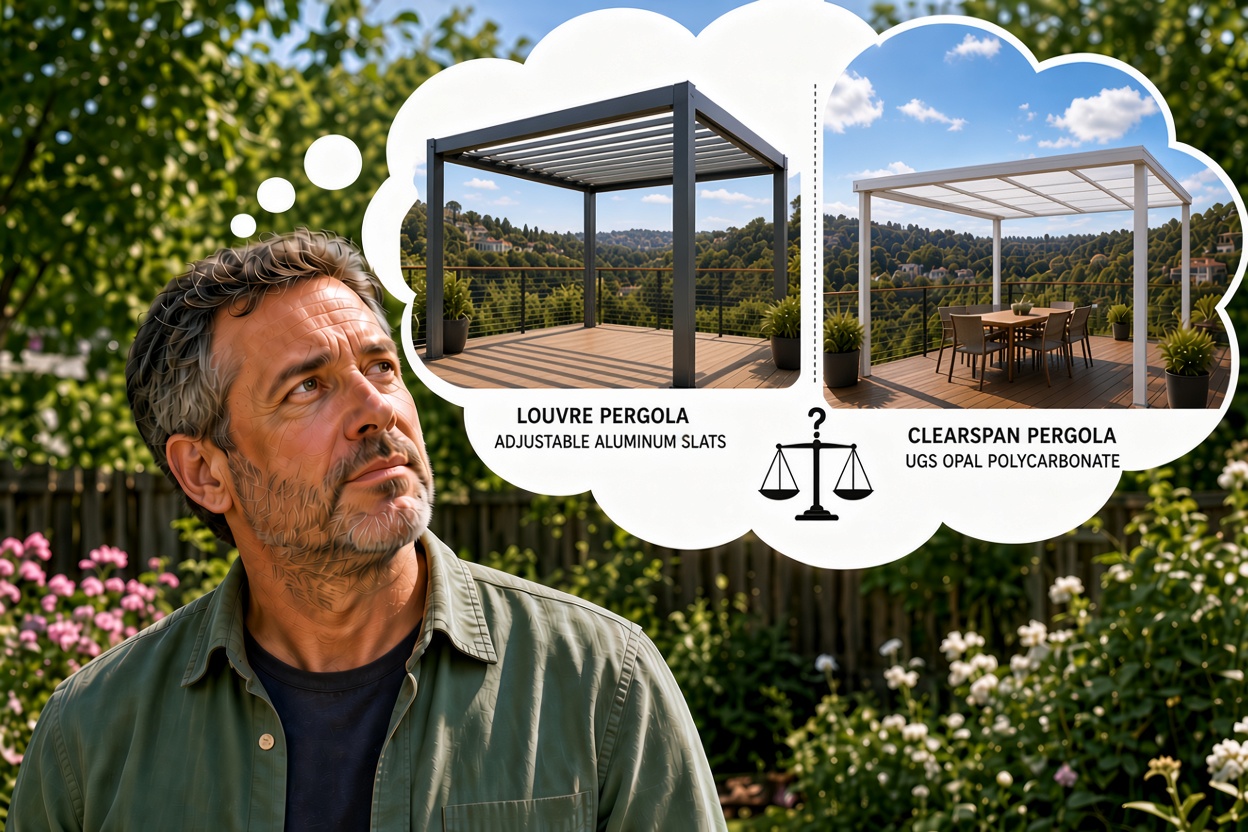
A louvre roof is an appealing idea: tilt the blades open for sun, close them for shelter, all at the press of a button. In a showroom, it's hard to beat.
Why Homeowners Are Rethinking Louvre Roofs
Living with one through a New Zealand winter can be a different story. Rain finds the gaps between blades, strong wind means opening the roof just when the weather turns, and the space underneath goes dark the moment you close it.
More homeowners are now weighing up a simpler option: a fixed translucent polycarbonate roof. At this year’s [Auckland] Home Show there were noticeably fewer companies selling louvres [add the count if you have it], and in our view the momentum has shifted toward polycarbonate. Here are the problems louvre owners commonly run into, and why a fixed roof is often the better fit.
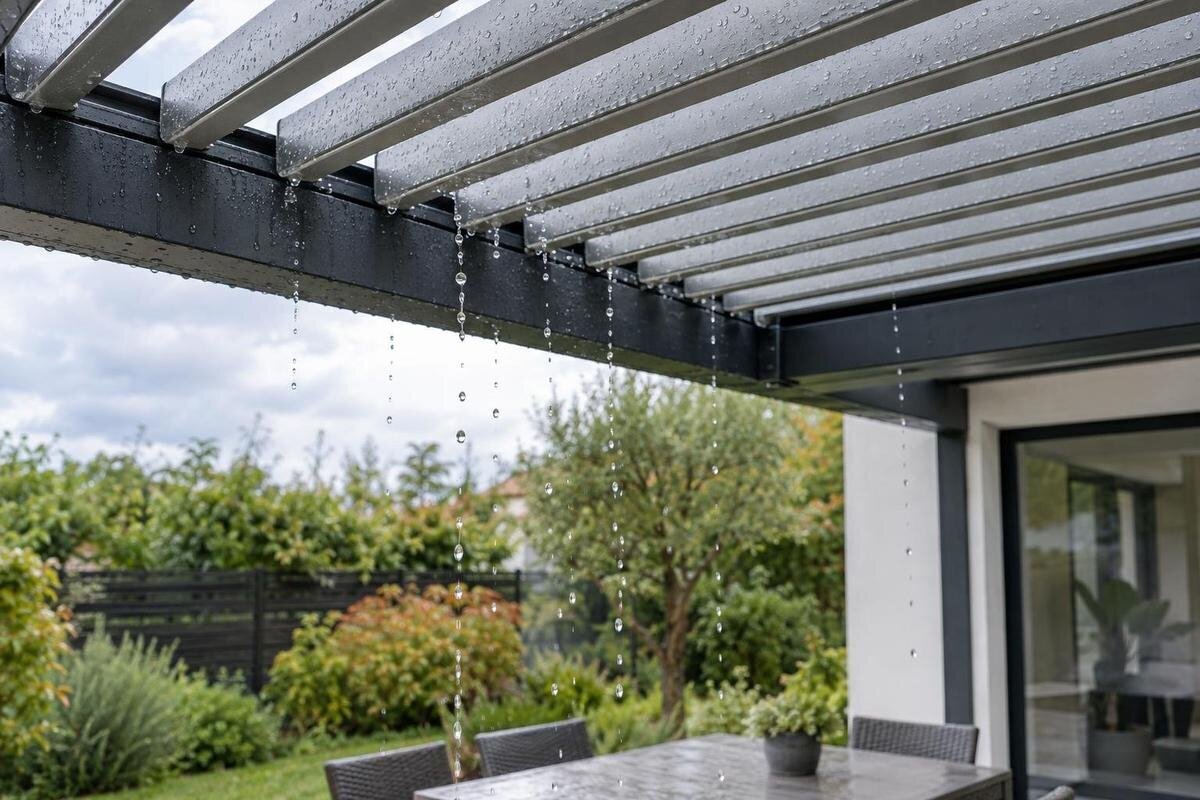
Common louvre problems experienced
Leaks and drips. A closed louvre roof is a row of blades meeting at seams. Many louvre brands don’t guarantee the roof watertightness in storm conditions, and rain clinging to the blades can drip below. One Auckland waterfront homeowner found water dripping onto the area underneath even with the blades fully closed.
- Opening in strong wind. At some louvre brands require the blades to be opened once wind passes 65 km/h, so in a wind-and-rain storm you lose your cover.
- Dark when closed. Shut the blades for rain and the space underneath loses its daylight.
- Ongoing maintenance. Louvre brands recommend clearing debris from the blades and gutters monthly, and lubricating moving parts every 3-6 months on coastal sites.
- Motors and electrics. A motor needs an electrician to install and is one more part that can fail. Some louvre products carry only a 3-year warranty.
Why a translucent polycarbonate roof makes sense
- One continuous roof. No blade seams means no drips onto your outdoor furniture and cushions.
- Daylight in the rain. The roof that keeps the rain off still lets the light through.
- Nothing to open in a storm.
- A fixed roof is designed for the wind zone it’s installed in.
- No moving parts. No motor, sensors or lubrication. Just keep the gutters clear and wash the sheets now and then.
- Cost.
- ClearSpan is engineered in New Zealand around span, post spacing and wind zone, so you can cover a large area with fewer posts in the way.
Before you choose – Whatever you’re considering, ask the supplier:
- Is it guaranteed watertight in storms, or only weatherproof?
- At what wind speed must it be opened?
- What maintenance does the warranty require?
- Is it engineered for your wind zone at the span you want?
If a fixed, light-filled roof sounds like a better fit for how you use your outdoor space, talk to a ClearSpan installer near you. CLICK HERE